Introduction
Maintaining lengthy-term sobriety after healing is a experience that many embark on, %%!%%fd2de633-1/3-4345-b4b3-cb69ebac262c%%!%% demanding situations and triumphs. The transition from dependent rehabilitation to every day life shall be daunting, however through utilizing useful https://blogfreely.net/jeovisjnag/the-science-behind-twelve-step-programs-how-they-work solutions, individuals can navigate this course correctly. In this newsletter, we'll explore more than a few guidance for sustaining lengthy-time period sobriety after treatment, drawing on insights from 12 Step Recovery courses like Alcoholics Anonymous (AA) and Narcotics Anonymous (NA). Whether you’re looking methods to augment your healing or are helping anyone else in their adventure, those comprehensive info objective to empower and encourage.
Tips for Maintaining Long-Term Sobriety After Treatment
Understanding the Importance of Sobriety
Sobriety isn’t near to abstaining from substances; it’s about creating a satisfying lifestyles without medicines or alcohol. Realizing the importance of sobriety lays the groundwork for lasting trade. It's main to be aware of that sobriety comes to:
- Emotional Stability: Gaining management over thoughts and reactions. Physical Health: Improving general wellness because of better life-style picks. Social Connections: Building healthful relationships that guide recuperation.
By focusing on those places, members are more likely to retain their commitment to sobriety.
Creating a Supportive Environment
A supportive ecosystem plays a crucial position in sustaining sobriety. Here’s how you might create one:
Surround Yourself with Positive Influences
Engage with company and kin who assist your recuperation tour.
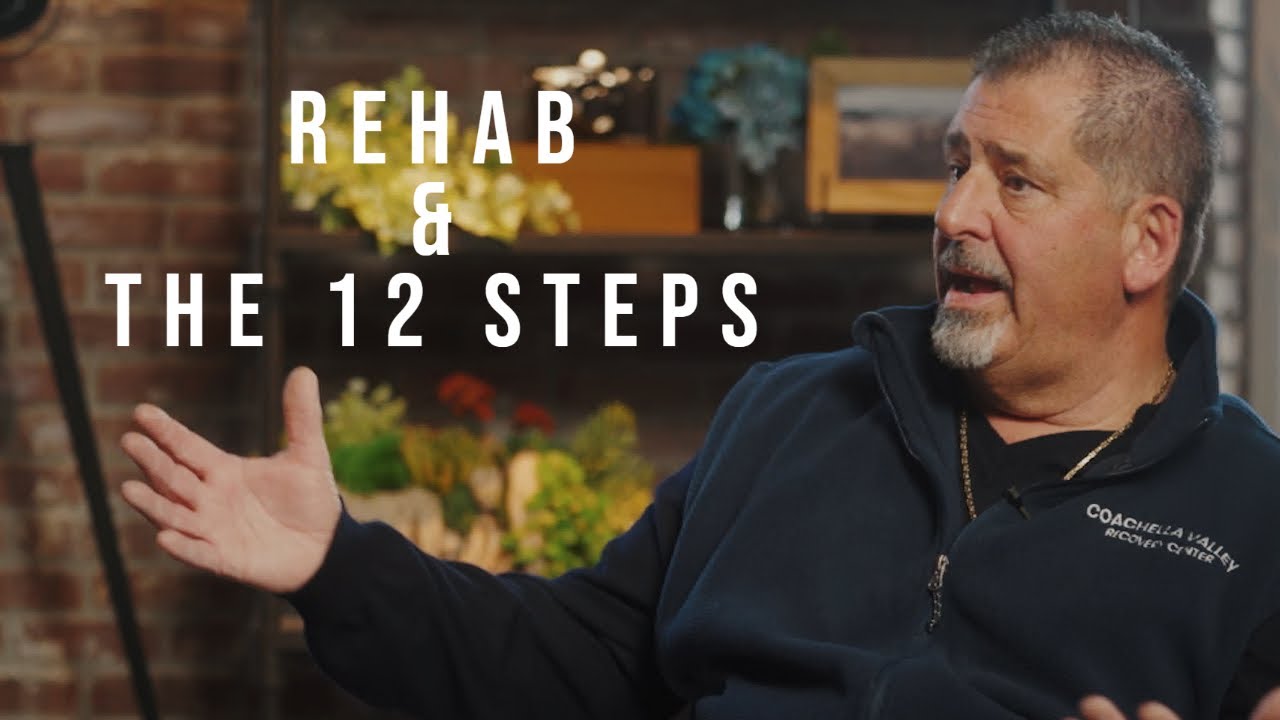
- Join Support Groups: Participating in communities like Alcoholics Anonymous or Narcotics Anonymous promises connection. Establish Boundaries: Set limits with those who may possibly jeopardize your sobriety.
Removing Triggers
Identify and do away with triggers that could lead to cravings:
- Stay Away from Old Hangouts: Avoid areas associated with substance use. Change Your Routine: Freshen up your daily routine to scale back temptation.
Practicing Mindfulness and Self-Care
Self-care is a cornerstone of lengthy-time period sobriety. Here’s how mindfulness can lend a hand:
Engage in Mindfulness Practices
Mindfulness strengthens emotional resilience:
- Meditation: Regular meditation can strengthen recognition and quietness. Breathing Techniques: Learn ways to handle stress conveniently.
Prioritize Physical Health
Physical well-being in an instant influences intellectual wellness:
- Exercise Regularly: Engage in things to do you take pleasure in—going for walks, swimming, or yoga. Eat Nutritious Foods: Fuel your body with healthy meals that enhance vitality phases.
Participating in Twelve Step Programs
Twelve Step Programs present based make stronger for those improving from dependancy. Exploring these steps can drastically increase your percentages of sustained restoration.
Understanding the Twelve Steps Framework
The 12 steps offer a roadmap for recovery. Each step specializes in self-mirrored image, accountability, and non secular improvement. Engaging entirely with every one step makes it possible for americans to confront underlying concerns contributing to dependancy.
The Role of Sponsorship
Finding a sponsor inside of systems like AA or NA promises responsibility:
- Regular Check-ins: Schedule regular conferences to speak about development and setbacks. Support During Crises: Lean on your sponsor all the way through moments of temptation or relapse.
Developing Coping Strategies
Coping processes are principal methods for navigating life’s demanding situations devoid of resorting to components.
Identify Healthy Coping Mechanisms
Building a toolkit of coping suggestions guarantees you are equipped while tension arises:
- Journaling: Writing down stories helps make clear feelings. Art Therapy: Engage in imaginitive routine as an emotional outlet.
Dealing with Cravings
When cravings strike, having instantaneous procedures could make all the distinction:
Distraction Techniques: Engage in interests or obligations that require concentrate. Reach Out for Help: Call a pal or attend a give a boost to workforce meeting if urges become overwhelming.Building New Relationships
Forming new relationships is essential for lasting sobriety. Here’s why it issues:
Connecting with Like-Minded Individuals
Seek acquaintances who appreciate your dedication to sobriety:
- Attend sober activities or community gatherings centered on healing.
Invest Time in Healthy Relationships
Nurturing victorious relationships complements emotional good-being:
- Make time for kinfolk and acquaintances who uplift you.
Setting Goals for Personal Growth
Establishing very own ambitions encourages non-stop self-development all through recuperation.
Short-Term vs Long-Term Goals
Differentiate between quick-time period and long-time period targets:
| Type | Description | Examples | |--------------|--------------------------------|-----------------------------| | Short-Term | Achievable inside of weeks/months | Attend weekly meetings | | Long-Term | Broader aspirations | Pursue additional training |
The Importance of Continuous Learning
Learning doesn’t end after treatment; it be an ongoing system imperative for improvement.
Seeking Educational Opportunities
Consider enrolling in programs related to interests or profession goals:
Take up workshops on non-public growth. Explore on line sessions tailored against modifying competencies related to employment.FAQs About Maintaining Long-Term Sobriety After Treatment
1. What are the most suitable techniques to avoid relapse?
Avoiding relapse comes to constructing a stable guide network, practicing self-care, creating coping tactics, and interesting continuously with Twelve Step classes like AA or NA.
2. How very good is it to hold attending improve corporations?
Continuing attendance at fortify organizations helps give a boost to duty, adds neighborhood strengthen, and gives sources for going through cravings and triggers quite simply.
3. Can I nonetheless have exciting at the same time as sober?
Absolutely! Many interesting actions don’t involve resources; contemplate exploring activities corresponding to mountaineering, painting, dancing, or becoming a member of ebook clubs the place alcohol isn’t current.
4. What must I do if I really feel crushed?
If feelings of crush occur, reach out at present—whether or not it really is contacting your sponsor from AA/NA or talking with trusted neighbors who be mindful your adventure closer to sobriety.
five. How do I cope with social occasions where alcohol is provide?
Prepare yourself mentally by surroundings clean intentions earlier attending social occasions—deliver alongside sober company when attainable, have an exit plan able if considered necessary, and depend it’s all right now not to drink!
6. Is it widespread to have cravings months after medication?
Yes! Experiencing cravings post-treatment is commonplace as triggers may possibly persist over time; nevertheless enforcing coping procedures found out right through medication can support cope with them without problems after they arise.
Conclusion
Maintaining long-time period sobriety after medication calls for determination, resilience, and proactive measures adapted closer to uncommon demands. By embracing supportive environments via Twelve Step Programs like Alcoholics Anonymous or Narcotics Anonymous although prioritizing self-care practices comparable to mindfulness sporting events alongside fostering suit relationships—you’re equipping yourself no longer only for survival however thriving in recovery! Remember that every single day gifts an alternative for growth; it can be all approximately taking small steps ahead in the direction of reaching lasting switch when celebrating successes alongside the means!